Emergency Dentist Beverly Hills Options for Unexpected Oral Injuries


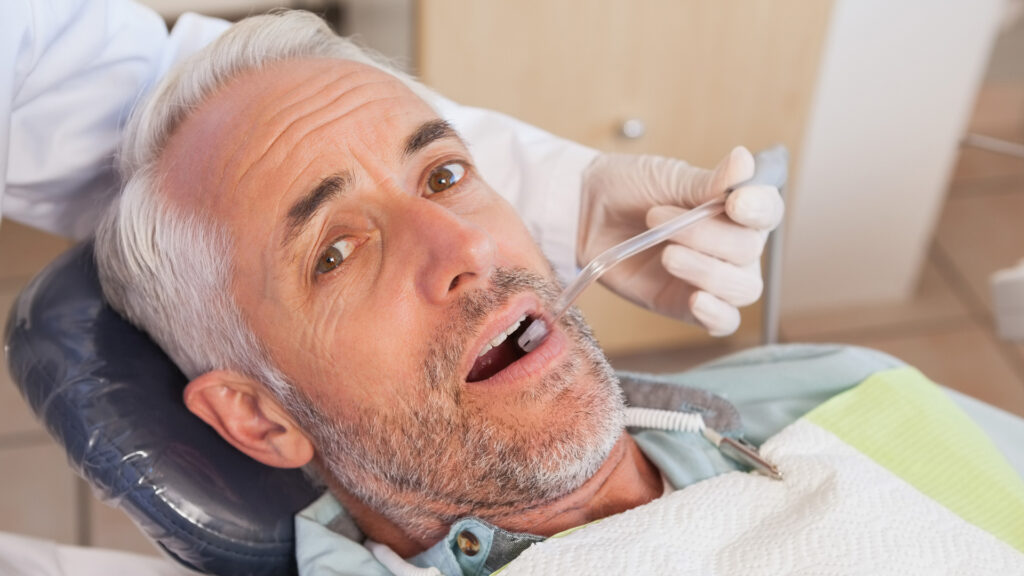
A true dental emergency rarely arrives at a convenient time. It happens during a late dinner, after a pickup basketball game, in the middle of a workday, or on a weekend when every small problem feels magnified. Oral injuries have a way of looking minor at first and becoming far more serious by the hour. A chipped front tooth might expose a nerve. A swollen gum can turn into a spreading infection. A knocked out tooth has a very short window in which it may be saved.
That is why people searching for an Emergency Dentist Emergency Dentist Beverly Hills Beverly Hills are usually not comparison shopping in the usual sense. They are trying to solve a problem that is painful, visible, stressful, or all three at once. The best emergency dental care is not only fast. It is accurate, calm under pressure, and able to tell the difference between a case that can be stabilized in the chair and one that needs hospital level care.
The phrase "unexpected oral injury" covers more ground than many people realize. Some emergencies are dramatic, such as facial trauma after a fall or a sports impact. Others begin as neglected discomfort and then escalate, such as a deep cavity that turns into severe toothache and facial swelling. Both deserve prompt attention, but the treatment path can be very different.
What counts as a real dental emergency
Pain alone is not the only marker, though intense pain is often what gets people moving. A genuine emergency usually involves one or more of the following: uncontrolled bleeding, rapid swelling, trauma to teeth or jaw, signs of infection, or sudden loss of function such as not being able to bite, close the mouth properly, or swallow comfortably.
A cracked molar is a good example of a condition that can be deceptive. If the crack is superficial, the tooth may simply feel sharp against the tongue. If it extends deeper, pressure during chewing can cause a sudden electric shock of pain. If the pulp is involved, the pain can become constant and throbbing. The same tooth can look similar in a bathroom mirror in each scenario, yet the urgency is not the same.
Then there are avulsed teeth, meaning a tooth has been completely knocked out. Time matters a great deal here. The periodontal ligament cells on the root surface do not survive long if the tooth dries out. In the best circumstances, prompt handling and rapid reimplantation can improve the odds that the tooth can be saved. Wait too long, scrub the root, or store it improperly, and those odds fall quickly.
Soft tissue injuries matter too. A torn lip, punctured tongue, or deep cut inside the cheek can bleed more than people expect because the mouth is so vascular. Bleeding may look alarming, but not every cut requires a dentist. What matters is depth, location, whether the wound edges gape, whether a tooth fragment is embedded, and whether bleeding can be controlled with steady pressure.
The first hour after an oral injury
What people do before they reach care can affect the outcome. Panic often leads to poor decisions, especially with broken or knocked out teeth. A calm, practical response buys time and can prevent a salvageable problem from becoming permanent damage.
Here are the few first steps that matter most:
- Control bleeding with clean gauze or cloth and gentle, steady pressure for about 10 minutes without constantly checking.
- If a permanent tooth is knocked out, handle it by the crown, not the root, rinse briefly with clean water if dirty, and keep it moist in milk or saliva.
- Use a cold compress on the outside of the face for swelling and avoid placing aspirin directly on gums or teeth.
- Save any broken tooth fragments and bring them to the appointment.
- If there is trouble breathing, severe swelling, heavy bleeding, or suspected jaw fracture, skip the dental office and go to the emergency room.
That last point is important. Not every oral emergency belongs in a dental office first. If the airway is threatened, if facial trauma suggests broken bones, or if there are signs of concussion or more extensive head injury, a hospital setting is safer. The right emergency dentist will say this plainly and refer out when needed, rather than trying to manage something beyond the scope of an office visit.
Where an emergency dentist fits, and where the ER fits
Patients often ask whether they should go to an emergency room or a dentist. The answer depends on whether the main problem is the tooth and surrounding oral tissues, or something broader and potentially life threatening.
Emergency rooms are excellent for deep facial cuts, suspected fractures, fever with spreading swelling, breathing difficulty, and trauma involving more than the teeth. They are less equipped for definitive dental treatment. Many ER physicians can prescribe antibiotics and pain relief, but they usually cannot perform a root canal, place a crown, reimplant a tooth with long term planning in mind, or adjust a bite after trauma.
An Emergency Dentist Beverly Hills typically handles urgent problems such as acute tooth pain, dental abscess evaluation, broken fillings or crowns causing severe symptoms, lost or fractured teeth, and many gum or soft tissue concerns. The practical value is that treatment can begin immediately. That may mean draining an abscess, stabilizing a loose tooth, placing a temporary restoration, smoothing a dangerous fracture edge, or starting endodontic treatment the same day.
The difference between temporary relief and true treatment matters. People who spend a night in the ER Emergency Dentist Beverly Hills for dental pain often still need a dentist first thing the next day. When possible, direct emergency dental care is usually the more efficient path.
Common unexpected injuries and what treatment may look like
The management of oral injuries depends less on how dramatic they seem and more on the structures involved. A small visible chip on a front tooth may need cosmetic bonding only. A tiny crack in a molar that extends below the gumline may need extraction.
A knocked out permanent tooth is among the most time sensitive injuries in dentistry. If the tooth is intact and the person arrives quickly, a dentist may attempt reimplantation and splinting. Follow up often includes vitality testing and, in many adult cases, later root canal treatment. Success varies with age, root development, storage medium, and extraoral time. No ethical clinician should promise a saved tooth, but fast action is still worthwhile.
A luxated tooth, meaning it has been pushed inward, outward, or sideways but not fully lost, also needs urgent attention. These cases often look less dramatic than avulsion yet can involve damage to the ligament and blood supply. Treatment may include repositioning and splinting, with close follow up over weeks or months because some complications emerge later.
Severe toothache from decay or infection is one of the most common emergency presentations. Sometimes the problem is pulpitis, where the nerve tissue is inflamed and pain is intense but swelling is not yet obvious. Sometimes there is a true abscess with pressure, foul taste, facial tenderness, and visible swelling. An emergency visit may involve testing, imaging, drainage if indicated, and a decision between root canal therapy, temporary medication inside the tooth, or extraction if the tooth cannot be predictably restored.
Broken crowns and fillings are often inconvenient rather than dangerous, but not always. If the exposed tooth structure is sharp, painful to air, or unable to function, it moves into urgent territory. People are often surprised that a lost crown can sometimes be recemented if it is intact and the underlying tooth is still suitable. Other times the fracture beneath the crown makes that impossible, and the emergency appointment shifts toward protection and treatment planning.
Why speed matters, but judgment matters more
The instinct in an emergency is to look for the fastest available appointment. That makes sense, but speed without diagnostic clarity can cause problems. A swollen face might need immediate drainage, or it might signal an infection that has spread into spaces where office treatment alone is not enough. A chipped tooth might need smoothing and reassurance, or it might hide a root fracture that changes everything.
Experienced emergency dentists tend to move in a deliberate order. They gather the history quickly but carefully. They ask what happened, when it happened, whether the bite changed, whether the tooth moved, and whether there has been swelling, fever, or bad taste. They examine the soft tissues, the occlusion, and the mobility of teeth. They use imaging thoughtfully. Then they decide what must be done now, what can wait a few days, and what needs referral.
That triage mindset is one of the main benefits of seeing a dentist who regularly handles urgent cases. The first job is not to deliver the perfect final restoration in one sitting. The first job is to protect life, save what can be saved, relieve pain, and stabilize the situation.
The Beverly Hills factor, and what patients usually expect
In Beverly Hills, emergency dental care often intersects with another reality: appearance matters, sometimes immediately. An actor chips an incisor before a shoot. A professional has a visible fracture before a client presentation. A visitor in town loses a veneer the night before an event. These are not vanity concerns in the trivial sense. Front teeth affect speech, confidence, and public facing work.
That changes how many practices structure emergency care. They may keep time open for same day trauma visits. They may coordinate imaging, endodontics, oral surgery, and restorative treatment more efficiently than a smaller office can. In some cases, they can provide a temporary aesthetic fix right away, then schedule definitive treatment once the tooth has settled and the prognosis is clearer.
Still, appearance should not drive the decision ahead of biology. A beautiful immediate repair on a traumatized front tooth is not a success if the pulp later dies and the patient was never told to return for monitoring. The most responsible emergency care is honest about what is permanent, what is provisional, and what could change over the next several months.
What to look for when choosing an emergency dentist under pressure
In urgent situations, people often call the nearest office and accept the first available slot. That is understandable. It is also worth taking two minutes to ask the right questions, especially if the injury involves trauma, swelling, or a knocked out tooth.
A useful quick screen includes these questions:
- Do you see dental emergencies the same day, and how quickly can the patient be evaluated?
- Do you treat trauma cases such as knocked out, displaced, or fractured teeth?
- If the case needs a specialist, can you coordinate that referral immediately?
- What should the patient do before arriving, especially if there is bleeding or a tooth has come out?
- If this is beyond office care, will you advise us to go directly to the emergency room?
The answers tell you a lot. A capable office gives clear, direct guidance. They do not sound vague about obvious emergency basics. They ask follow up questions. They distinguish between primary and permanent teeth in children. They mention medical red flags when appropriate. Even over the phone, experience tends to show.
Children, athletes, and older adults present differently
Not every emergency patient fits the same pattern. Children often sustain injuries to front teeth from falls, scooters, playground accidents, or sports. The distinction between a primary tooth and a permanent tooth is critical. A baby tooth that is knocked out is generally not replanted because doing so can harm the developing permanent tooth underneath. Parents sometimes do not know which teeth are which, especially around ages six to eight when the mouth is changing quickly. A pediatric aware emergency office will guide them through that.
Athletes tend to present with impact injuries, broken incisors, bitten lips, or jaw soreness after contact. Mouthguards reduce risk significantly, but many adults skip them in recreational leagues because they assume serious injuries only happen at higher levels of play. That is not what clinicians see. Weekend basketball and casual cycling produce plenty of cracked teeth and crown fractures.
Older adults present a different mix. Existing crowns, bridges, implants, and root canal treated teeth can complicate trauma and pain diagnosis. Medications may affect bleeding. Bone is often less forgiving after falls. Dry mouth from prescription drugs can also make cavities advance faster and symptoms appear suddenly. The emergency visit needs to account for the patient's larger medical picture, not just the tooth in question.
Temporary relief at home has limits
There is sensible self care, and there is delay disguised as self care. Rinsing with warm salt water, using a cold pack, eating on the opposite side, and taking over the counter pain medication as directed can help for a few hours. Clove oil, online hacks, and random leftover antibiotics are a different matter.
Antibiotics do not solve every dental emergency, and using them casually can blur symptoms without removing the source. Many severe toothaches come from inflammation inside the tooth, not a spreading infection. In that case, the pain may be awful, but antibiotics may do very little. The definitive fix is still endodontic treatment or extraction. Likewise, gluing a broken crown back on with household adhesive is a recipe for tissue irritation and a mess that has to be cleaned out later.
One of the more frustrating scenarios dentists see is the patient who has "managed" swelling for several days until the face is visibly enlarged and swallowing becomes uncomfortable. At that stage, the threshold for hospital referral gets lower. A problem that might have been drained and stabilized early may no longer be appropriate for routine office management.
Costs, insurance, and the reality of emergency decisions
Emergency dental care creates two kinds of stress at once, pain and uncertainty about cost. Offices vary widely in how they bill urgent visits. Some charge a limited emergency exam and imaging fee, then separate treatment costs depending on what is found. Others package a basic assessment with one simple intervention. It is reasonable to ask upfront what the evaluation includes and what common treatments may cost in broad terms.
The challenge is that true emergencies do not always reveal themselves fully before imaging and examination. A patient may think they need a filling and learn they need a root canal and crown, or extraction and implant planning. Ethical offices explain this before proceeding. They also distinguish between what must happen today and what can be staged. That matters because the urgent goal is often stabilization. Definitive restorative work may follow once pain is controlled and options are discussed carefully.
Insurance can help, but emergency treatment decisions should not be built on assumptions about coverage made in the middle of a painful afternoon. The wiser approach is to ask what is medically necessary now, what alternatives exist, and what the consequences of waiting might be.
Aftercare often determines the final outcome
The emergency visit is only the first chapter. Teeth that have been traumatized can change over time. A tooth may test normal right after an accident and later lose vitality. A splinted tooth may heal well, or it may develop root resorption months later. An abscess that was drained still needs the source addressed. A temporary filling that calmed a painful tooth still requires final treatment.
This is where patients sometimes get tripped up. They feel better and assume the problem is over. In reality, many dental emergencies need structured follow up. That can mean repeated vitality checks, additional imaging, specialist care, replacement of temporary restorations, or long term monitoring of a tooth with uncertain prognosis.
A good emergency dentist says this plainly. Relief is not the same thing as resolution. The office should tell you what symptoms warrant a return call, how long numbness should last, what to eat, whether you should expect color change in a traumatized tooth, and when the next visit needs to happen.
When fast, local care makes the biggest difference
There is no glamour in emergency dentistry. It is practical work, often done under time pressure, with patients who are anxious, hurting, embarrassed, or all three. But it is some of the most valuable work in the profession because timing changes outcomes. Minutes matter with an avulsed tooth. Hours matter with progressing swelling. A same day visit can mean saving a tooth, controlling an infection before it spreads, or restoring enough comfort that a patient can sleep and function again.
For anyone seeking an Emergency Dentist Beverly Hills after an oral injury, the best option is not simply the office with the flashiest website or the broadest promise. It is the one that can assess urgency accurately, communicate clearly, manage pain responsibly, and deliver the right next step without drama. Sometimes that next step is a splint, a reimplantation attempt, a drainage procedure, a temporary restoration, or an urgent referral to a hospital. Good emergency care is measured less by polish than by judgment.
Unexpected oral injuries are disruptive by nature. They interrupt meals, speech, work, travel plans, and peace of mind. The right response is not to minimize them or to wait and hope. It is to get evaluated promptly by a clinician who understands both the biology and the urgency of the moment, and who knows when a dental emergency is just that, and when it is something bigger that needs another level of care.
Dental Group of Beverly Hills
8641 Wilshire Blvd #125, Beverly Hills, CA 90211, United States
Phone: +1 (310) 929-6335
FAQ About Emergency Dentist Beverly Hills
What is considered to be a dental emergency?
Severe tooth pain, a knocked-out permanent tooth, a significant tooth fracture, or suspected dental infection needs prompt professional assessment. Contact a dentist to describe the problem and arrange appropriate care. Trouble breathing or swallowing, uncontrolled bleeding, or major facial injury requires immediate emergency medical attention.
How to tell if tooth pain is serious?
Pain that is severe, persistent, or accompanied by fever, facial swelling, or a bad taste should be assessed promptly by a dentist. The cause cannot be confirmed from symptoms alone. If swelling affects breathing or swallowing, call 911 or go to an emergency department.
What do I do if I have a dental emergency and no dentist?
Call a nearby dental practice that accepts urgent patients and explain your symptoms, when they began, and any recent injury. Ask about the earliest available assessment and what information to bring. For life-threatening symptoms, seek emergency medical care immediately instead of waiting for a dental appointment.